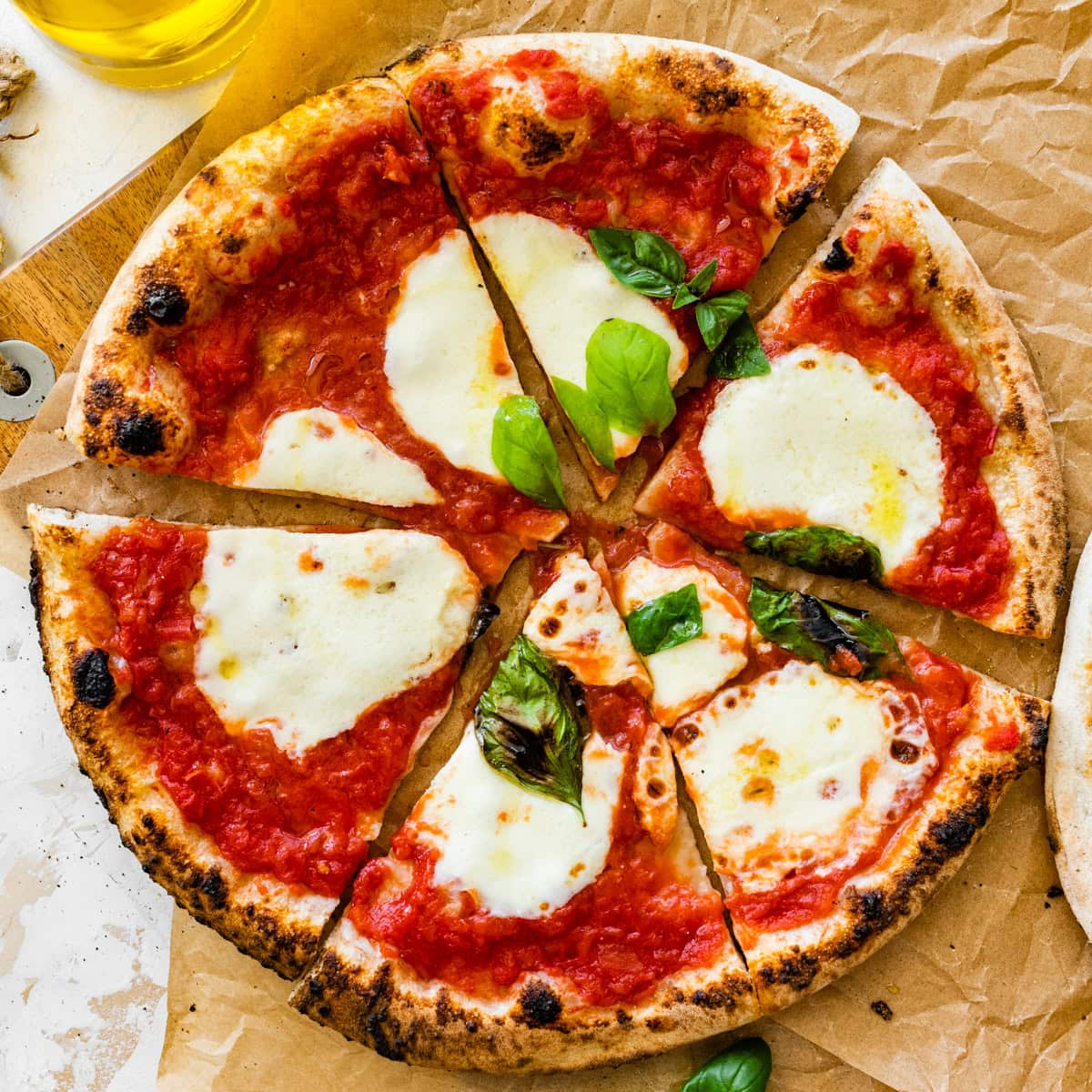
Unlock Authentic Italian Flavor: Margherita Pizza Recipe at Home
Welcome to the heart of Neapolitan culinary tradition, where simplicity reigns supreme and flavor speaks volumes. The Margherita pizza is more than just a dish; it's a vibrant ode to Italy, a historical masterpiece crafted with humble yet exquisite ingredients. If you've ever dreamt of recreating that perfect, blistered crust, tangy tomato, and creamy mozzarella experience you'd find in a bustling pizzeria in Naples, you're in the right place. This comprehensive guide will walk you through every step of an authentic
Margherita Pizza: From Naples Classic to Your Kitchen Guide, empowering you to unlock true Italian flavor right in your own kitchen. Prepare to transform your home cooking with this timeless margherita pizza recipe.
The Illustrious History: A Royal Affair and a Culinary Icon
The story of the Margherita pizza is as rich and flavorful as the dish itself, deeply rooted in the vibrant culinary landscape of Naples, Italy. While simple tomato and cheese flatbreads had existed in the region for centuries, the iconic version we know and love gained its fame in 1889. The tale goes that Neapolitan pizzaiolo Raffaele Esposito, from the esteemed Pizzeria Brandi, was commissioned to prepare a dish for Queen Margherita of Savoy during her visit to Naples.
To honor the visiting queen and her nation, Esposito cleverly crafted a pizza adorned with ingredients mirroring the colors of the Italian flag: vibrant red from San Marzano tomatoes, pristine white from fresh mozzarella, and lush green from fragrant basil leaves. Queen Margherita was reportedly captivated by its patriotic appeal and exquisite taste, cementing its place in history and giving birth to the "Pizza Margherita."
While some food historians debate the precise origins and timing of this specific royal endorsement, there's no denying its symbolic power. This delightful anecdote perfectly encapsulates the spirit of Italian cuisine – celebrating local ingredients, artistry, and a deep sense of national pride. The Margherita pizza stands as a testament to how simple elements, when chosen with care and prepared with passion, can create an enduring culinary legacy.
The Core Philosophy: Simplicity, Quality, and the Perfect Ingredients
The magic of an authentic Margherita pizza lies not in complexity, but in the uncompromising quality and thoughtful balance of its few core ingredients. Each component plays a crucial role, contributing to a symphony of flavors that is both vibrant and profoundly satisfying. To truly master this
Secrets to Authentic Margherita: Dough, Tomatoes & Mozzarella, understanding the significance of each ingredient is paramount.
*
San Marzano Tomatoes: These are non-negotiable for an authentic sauce. Grown in the volcanic soil of Mount Vesuvius, true San Marzano tomatoes (often certified DOP – Denominazione d'Origine Protetta) boast a naturally sweet flavor, low acidity, and fewer seeds. Their elongated shape and robust flesh make them ideal for crushing by hand or lightly blending, yielding a fresh, bright sauce that isn't cooked before baking. Avoid anything heavily processed; crushed or whole peeled San Marzanos are best.
*
Fresh Mozzarella (Fior di Latte): Forget the shredded, low-moisture mozzarella used for many American-style pizzas. For a Margherita, you need fresh mozzarella, preferably
fior di latte (cow's milk mozzarella). This cheese has a higher moisture content, which melts beautifully into creamy pockets, providing a delicate contrast to the crisp crust. It's important to drain and gently tear the mozzarella into smaller pieces rather than slicing, to prevent your pizza from becoming soggy. Allow it to sit on paper towels for at least 30 minutes to absorb excess liquid.
*
Fresh Basil Leaves: The verdant green element, basil, adds a peppery, aromatic freshness that elevates the entire pizza. Use whole, fresh leaves, added both before and immediately after baking. The heat intensifies its fragrance, while the post-bake leaves offer a burst of vibrant flavor and color.
*
Extra Virgin Olive Oil: A generous drizzle of high-quality extra virgin olive oil, both on the raw dough and again after baking, adds a fruity depth and luxurious finish. Choose an oil with a pleasant aroma and mild bitterness.
*
Sea Salt: A simple sprinkle of flaky sea salt, like Maldon, enhances all the other flavors without overpowering them.
Crafting the Perfect Crust: Dough & Baking Essentials
The foundation of any great pizza is its crust, and for an authentic Margherita, the dough is truly king. Achieving that characteristic chewy interior, crisp exterior, and subtle char requires attention to detail, from flour selection to the proofing process.
The Art of Pizza Dough
*
Flour Selection: While all-purpose flour can work in a pinch, for a truly exceptional crust, opt for high-protein bread flour or, ideally, Italian "00" flour. "00" flour is very finely milled and has a moderate protein content that's perfect for developing elasticity without being overly chewy. High-protein bread flour, on the other hand, develops strong gluten, which is essential for that desirable chew and structure. Always choose unbleached flour to avoid any chemical additives that might compromise flavor.
*
Dough Proofing: This is a non-negotiable step that profoundly impacts both the flavor and texture of your crust. Long, slow fermentation allows the yeast to work its magic, developing complex flavors and creating a myriad of air bubbles that result in a light, airy, and flavorful crust. For best results, aim for an 18-hour cold proof in the refrigerator, or a long proof at room temperature (around 68-72°F / 20-22°C) for a shorter period, usually 4-6 hours, depending on your recipe. This extended proofing time develops gluten, creating a stronger, more extensible dough that's easier to stretch and yields a superior texture. Cover your dough ball tightly with plastic wrap or a damp cloth to prevent it from drying out during proofing.
Essential Tools for Success
To achieve that professional pizzeria-quality crust at home, a few key tools are invaluable:
*
Pizza Stone or Baking Steel: This is arguably the most crucial piece of equipment. A preheated pizza stone or baking steel mimics the intense, even heat of a wood-fired oven. It rapidly transfers heat to the dough, causing it to cook quickly and evenly, resulting in a beautifully crisp base and a puffed-up, airy crust. Preheat your oven with the stone or steel inside for at least 45-60 minutes at its highest possible temperature (500-550°F / 260-290°C).
*
Pizza Peel: A wooden or metal pizza peel is essential for safely transferring your assembled pizza into and out of the screaming hot oven. Dust it generously with semolina flour or regular flour to prevent sticking.
*
High-Temperature Oven: Home ovens typically don't reach the extreme temperatures of professional pizza ovens. However, preheating your oven to its absolute maximum setting is critical. The hotter the oven, the faster the bake, and the better the crust will be.
Assembling and Baking Your Authentic Margherita Pizza
With your dough perfectly proofed and your ingredients prepped, it's time for the exciting part: assembly and baking.
The Simple Sauce
As mentioned, the tomato sauce for a Margherita is uncooked and beautifully simple. Take your San Marzano tomatoes, crush them by hand or pulse them briefly in a food processor (you want texture, not a smooth purée). Stir in a pinch of sea salt and, if desired, a few torn basil leaves. That's it – no simmering, no complex spice blends. The freshness is key.
Assembly Steps
1.
Stretch the Dough: On a lightly floured surface (or a pizza peel dusted with semolina), gently stretch your dough ball from the center outwards, using your fingertips. Avoid using a rolling pin, which can deflate the air bubbles you've worked so hard to create. Aim for a round shape, about 10-12 inches in diameter, leaving a slightly thicker edge for the crust.
2.
Sauce it Up: Spoon 2-3 tablespoons of your crushed San Marzano tomato sauce onto the center of the dough. Using the back of the spoon, spread it evenly, leaving a 1/2 to 1-inch border for the crust. Don't overload the pizza with sauce; less is more for a balanced flavor and to prevent sogginess.
3.
Add Mozzarella: Distribute the torn, drained fresh mozzarella evenly over the sauce. Again, don't use too much; sparse is traditional and allows the other flavors to shine.
4.
Basil and Oil: Tuck a few fresh basil leaves among the cheese. Drizzle lightly with a touch of extra virgin olive oil.
Baking to Perfection
1.
Transfer to Oven: Carefully slide your assembled pizza from the peel onto the preheated pizza stone or steel in your oven.
2.
Bake at Max Heat: Bake for 5-10 minutes, depending on your oven's temperature and efficiency. Keep a close eye on it!
3.
Look for Cues: Your pizza is done when the crust is puffed, golden brown, and ideally shows some charming "leopard spots" (darker, slightly charred bubbles) at the edges. The cheese should be melted, bubbling, and just starting to brown in spots.
4.
Finishing Touches: Using the pizza peel, carefully remove the pizza from the oven. Immediately scatter a few more fresh basil leaves over the hot pizza for an extra burst of aroma and flavor. Drizzle with a final touch of high-quality extra virgin olive oil and a sprinkle of flaky sea salt.
5.
Rest and Serve: Let the pizza rest on a cutting board for 1-2 minutes before slicing. This allows the cheese to set slightly and prevents all the delicious toppings from sliding off.
Pro Tips for Neapolitan Perfection at Home
*
Don't Overload: This cannot be stressed enough. The beauty of Margherita is its simplicity. Too many toppings will weigh down the dough and prevent it from cooking properly.
*
Practice Makes Perfect: Handling pizza dough, especially stretching it by hand, takes a bit of practice. Don't be discouraged if your first few attempts aren't perfectly round. The taste will still be amazing!
*
Patience with Proofing: Resist the urge to rush the dough proofing. The long fermentation is what gives the crust its incredible flavor and texture.
*
Heat is Your Friend: Always preheat your oven to its absolute maximum temperature for as long as possible with your stone or steel inside. This intense heat is crucial for a quick bake and a crispy crust.
*
Freshness First: Prioritize the quality and freshness of your ingredients above all else. They are the stars of this simple dish.
Bringing the authentic taste of Naples into your home kitchen with a homemade margherita pizza recipe is an incredibly rewarding experience. By focusing on quality ingredients, understanding the science behind the dough, and mastering a few simple techniques, you can recreate this iconic Italian classic with stunning results. From its royal origins to its vibrant flavors, the Margherita pizza truly captures the heart of Italian cuisine. So, gather your ingredients, fire up your oven, and prepare to delight your senses with every perfect, authentic bite. Enjoy your culinary journey!