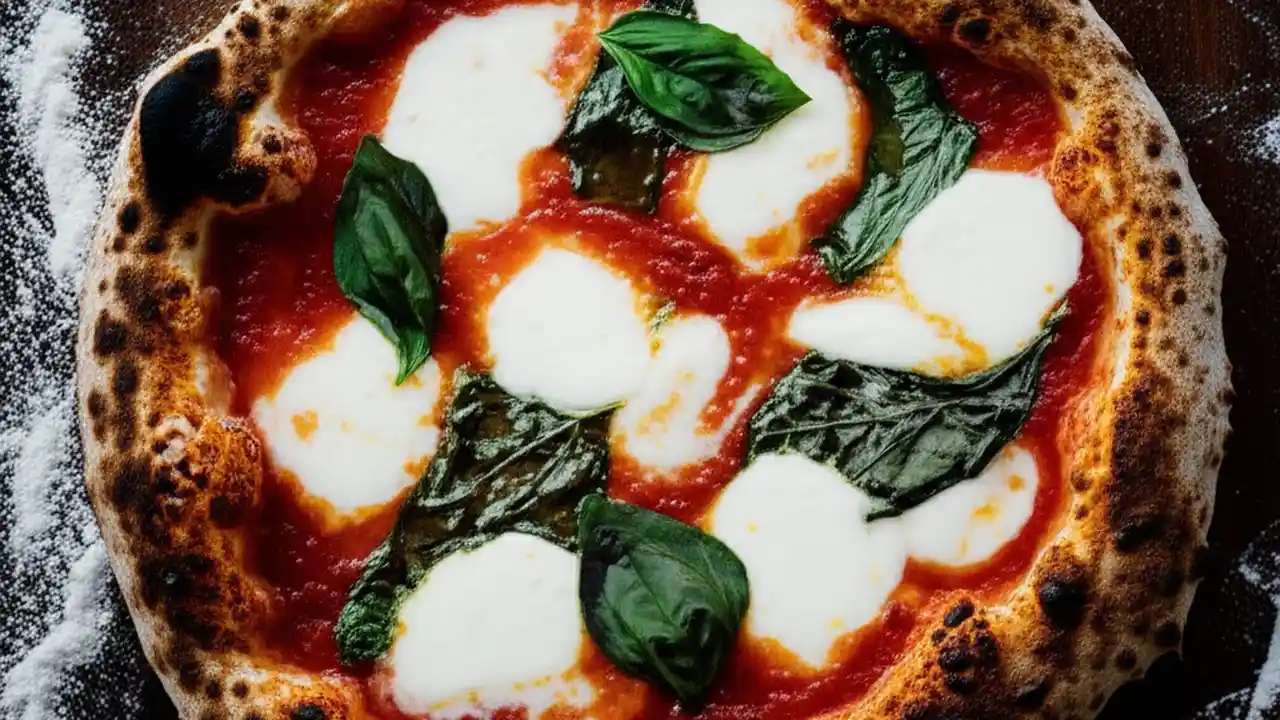
The allure of an authentic Margherita pizza is undeniable. It's a culinary masterpiece lauded for its simplicity, showcasing the purest flavors of Italy. More than just a dish, it's a celebration of quality ingredients harmoniously blended to create an unforgettable experience. Achieving this classic in your home kitchen might seem daunting, but the secret lies in understanding and honoring its core components: the dough, the tomatoes, and the mozzarella. This comprehensive guide will unveil the steps to master each element, allowing you to recreate that quintessential Neapolitan taste right from your oven.
The history of Margherita pizza is as rich and flavorful as the dish itself. Originating in Naples, Italy, this iconic pizza is often attributed to pizzaiolo Raffaele Esposito, who, in 1889, allegedly created it for Queen Margherita of Savoy. The red of the tomatoes, the white of the mozzarella, and the green of the basil were said to represent the colors of the Italian flag, cementing its status as a national symbol. While historical records suggest similar topping combinations existed earlier, this legend beautifully captures the essence and cultural significance of this beloved pizza. It's a testament to how simple, high-quality ingredients can leave an indelible mark on culinary history.
The Foundation: Mastering the Margherita Dough
Without exceptional dough, even the finest toppings fall short. The crust is the canvas of your pizza, and for an authentic margherita pizza recipe, it needs to be light, airy, chewy, and slightly crisp with a beautiful leopard-spotted char. This is where precision and patience pay off.
The Art of Flour Selection
The choice of flour is paramount. For that characteristic chewy, yet tender crust, you need a high-protein flour. While all-purpose flour might seem convenient, it lacks the protein content necessary to develop sufficient gluten. Instead, opt for:
- "00" Flour: This finely milled Italian flour is a staple in Neapolitan pizza making. Its low protein content (relative to other strong flours) and fine texture create an incredibly soft, elastic dough that stretches beautifully and cooks quickly.
- High-Protein Bread Flour: If "00" flour isn't readily available, a strong unbleached bread flour (typically 12-14% protein) is an excellent alternative. The higher protein level helps develop robust gluten networks, resulting in that desirable chewiness and structure. Always choose unbleached to avoid unwanted chemical additives that can alter flavor and texture.
The Magic of Long Proofing
Dough proofing is not just a step; it's a transformative process that enhances both flavor and texture. This is where the yeast activates, ferments the sugars in the flour, and produces carbon dioxide, creating tiny air bubbles that lead to a light, airy crust. For a truly authentic flavor profile, patience is key.
- Extended Fermentation: While quick doughs exist, a long proofing period (ideally 18-24 hours at cool room temperature, or even 2-3 days in the refrigerator for a cold proof) allows for deeper flavor development. This slow fermentation breaks down complex carbohydrates, making the dough more digestible and imparting subtle, nuanced flavors you won't get from a rapid rise.
- Gluten Development: Beyond flavor, long proofing also allows gluten strands to relax and strengthen, resulting in a more pliable dough that's easier to stretch without tearing. This is crucial for achieving that thin center and puffy, airy "cornicione" (crust edge).
Actionable Tip: After mixing and a brief knead (aim for a smooth, elastic ball), lightly oil your dough, place it in a bowl, cover it tightly with plastic wrap or a damp cloth, and let it proof in a cool spot. For longer fermentation, consider a cold proof in the fridge, bringing it to room temperature for an hour or two before shaping.
The Heartbeat: Perfecting the Tomato Sauce
The tomato sauce for a Margherita pizza is deceptively simple, yet utterly crucial. Its freshness and quality are what allow the vibrant red to shine and complement the other ingredients without overpowering them.
The Unbeatable San Marzano
There's a reason why San Marzano tomatoes are universally recommended for an authentic Margherita. These plum tomatoes, grown in the volcanic soil of Mount Vesuvius, possess a natural sweetness, low acidity, and fewer seeds, creating a remarkably balanced flavor. Look for cans with the "D.O.P." (Denominazione d'Origine Protetta) seal, which guarantees their authenticity and origin.
Fact: The D.O.P. certification ensures that the tomatoes are grown, harvested, and processed according to strict traditional methods within a specific region, much like champagne or Parmigiano-Reggiano.
Simplicity is Key: The No-Cook Approach
Unlike many pasta sauces, the authentic Margherita pizza sauce is typically *not* cooked beforehand. This allows the fresh flavor of the tomatoes to emerge during the high-heat baking process, melding perfectly with the crust and cheese. Overcooking the sauce on the stovetop can result in a flat, one-dimensional flavor.
Actionable Tip: To prepare, simply hand-crush the whole peeled San Marzano tomatoes (or lightly pulse them in a food processor, being careful not to over-blend). Season sparingly with a pinch of sea salt. Some purists add nothing else, while others might include a tiny drizzle of extra virgin olive oil or a fresh basil leaf directly into the sauce. Avoid garlic powder, onion powder, or dried herbs that distract from the pure tomato flavor.
The Crown Jewel: Choosing Your Mozzarella and Basil
The final touches of mozzarella and basil complete the iconic tricolor and provide essential texture and aroma.
Fresh Mozzarella vs. Low-Moisture
For an authentic experience, fresh mozzarella is non-negotiable. Forget the pre-shredded, low-moisture varieties; they melt differently and lack the creamy texture required.
- Fior di Latte (Cow's Milk Mozzarella): This is the most common fresh mozzarella used in Naples. It melts beautifully, offering a creamy, slightly tangy flavor.
- Mozzarella di Bufala (Buffalo Mozzarella): The pinnacle of fresh mozzarella, made from water buffalo milk. It's incredibly creamy, rich, and offers a distinct flavor profile. It tends to release more water, so extra draining is crucial.
Actionable Tip: Regardless of your choice, fresh mozzarella has a high water content. To avoid a soggy pizza, tear or slice your mozzarella, then gently pat it dry with paper towels a few hours before assembly. You can even let it sit in a colander for a while to drain excess liquid.
The Aromatic Touch of Basil
Fresh basil leaves are the green jewel of the Margherita. Their peppery, aromatic essence brightens the entire pizza. The timing of their addition is often debated, but for maximum flavor and vibrant color, it's best to add them just after the pizza comes out of the oven, or at least in the final minutes of baking. Adding them too early can cause them to blacken and lose their freshness.
Tools & Techniques for Home Pizzaiolos
While a traditional Neapolitan pizza oven reaches blistering temperatures far beyond a home oven, specific tools and techniques can help you achieve remarkable results.
The Essential Pizza Stone or Steel
A pizza stone or, even better, a pizza steel, is fundamental for recreating that crispy, charred crust. These tools absorb and retain a tremendous amount of heat, mimicking the intense thermal mass of a brick oven floor. When the pizza dough hits the preheated stone or steel, it receives a powerful burst of heat from below, instantly cooking and crisping the bottom crust.
- Pizza Stone: Made of ceramic, it's effective but can be prone to cracking.
- Pizza Steel: A newer, highly recommended option. Steel conducts heat more efficiently and retains it longer than stone, leading to an even faster cook and a superior crust. It's also virtually indestructible.
A standard baking sheet, while convenient, simply cannot hold and transfer heat as effectively, resulting in a softer, less satisfying crust. For an authentic Margherita pizza: From Naples Classic to Your Kitchen Guide, this investment is key.
Oven Temperature & Baking
Preheat your oven to its absolute highest setting (typically 500-550°F or 260-290°C) with your pizza stone or steel inside for at least one hour. This ensures the stone/steel is screaming hot. The higher the temperature, the faster your pizza cooks, leading to a perfectly blistered crust before the toppings overcook.
Actionable Tip: Use a pizza peel dusted with semolina flour or a light sprinkle of regular flour to transfer your pizza onto the hot surface. Work quickly to prevent the dough from sticking. Alternatively, assemble your pizza on parchment paper and slide the paper directly onto the hot stone/steel for an easier transfer.
Bringing It All Together: Assembling and Baking Your Masterpiece
Once your dough is proofed, your sauce is ready, and your mozzarella is prepped, it's time to assemble. Gently stretch your dough to about a 10-12 inch circle, aiming for a thin center and a slightly thicker edge. Ladle a few spoonfuls of your simple tomato sauce, spreading it evenly but leaving a border for the crust. Distribute the torn fresh mozzarella. Finish with a drizzle of extra virgin olive oil before carefully transferring it to your preheated oven. Bake for 5-8 minutes, or until the crust is golden brown and blistered, and the cheese is bubbly. Immediately upon removal, scatter fresh basil leaves over the top. Slice and serve hot!Embracing the secrets of an authentic Margherita pizza recipe means honoring its simplicity and the quality of each component. From the extended proofing of the dough to the pristine San Marzano tomatoes and creamy fresh mozzarella, every detail contributes to an unparalleled culinary experience. By focusing on these core elements and using the right techniques, you can bring the true taste of Naples into your home kitchen. Enjoy the journey, and savor every exquisite bite of your homemade masterpiece!
