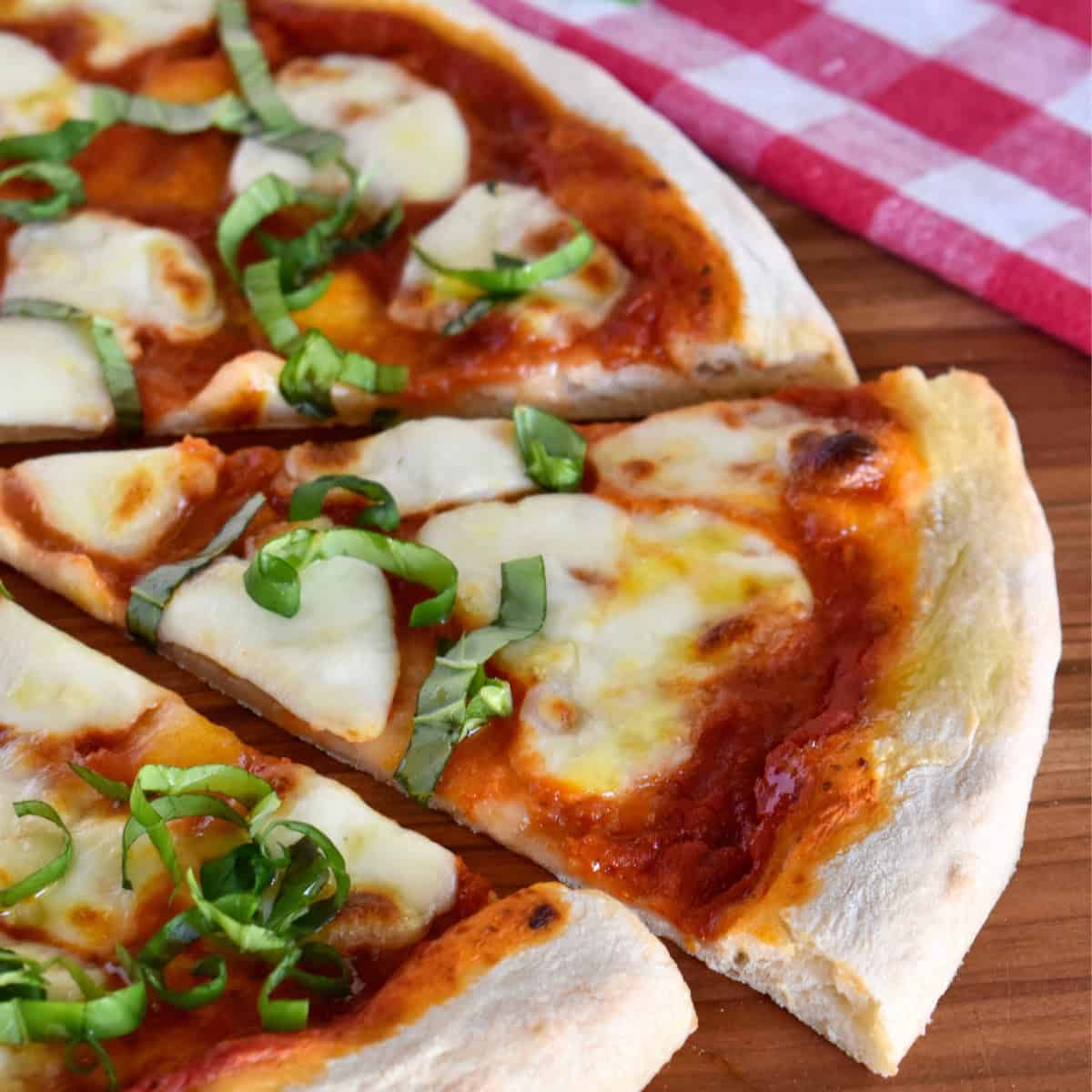
Margherita Pizza: From Naples Classic to Your Kitchen Guide
Welcome to the enchanting world of Margherita pizza, a culinary icon that embodies the heart and soul of Italian cuisine. Far from being just another pizza, the Margherita is a testament to the power of simplicity, where a few high-quality ingredients come together to create an unforgettable symphony of flavors. This guide will walk you through the journey of crafting an authentic margherita pizza recipe right in your own kitchen, allowing you to savor every delicious bite of this Neapolitan masterpiece.
Often hailed as the purest form of pizza, the Margherita captures the essence of fresh, vibrant ingredients and a rich history. Its enduring appeal lies in its humble yet profound character, making it a beloved dish for both seasoned chefs and eager home cooks.
The Legacy of Margherita: A Culinary Masterpiece
The story of Margherita pizza is as captivating as its taste, deeply rooted in the vibrant streets of Naples, Italy. While some form of simple, tomato-based flatbread likely existed for centuries, the iconic version we know today gained its legendary status in 1889. The tale goes that Neapolitan pizzaiolo Raffaele Esposito was commissioned to create a pizza for Queen Margherita of Savoy during her visit to Naples. To honor the queen and the newly unified Italy, Esposito crafted a pizza adorned with the colors of the Italian flag: red from ripe tomatoes, white from fresh mozzarella, and green from fragrant basil leaves.
This culinary tribute quickly became a sensation, cementing the Margherita's place in history. While historical records suggest similar toppings graced Neapolitan pizzas even before this celebrated event, the Queen Margherita narrative undoubtedly propelled this particular combination into global fame. Its legacy isn't just about a moment in time; it's about a dish that perfectly encapsulates Italy's culinary heritage – celebrating freshness, quality, and a profound respect for ingredients.
The Holy Trinity: Essential Ingredients for an Authentic Margherita Pizza Recipe
The magic of an authentic margherita pizza recipe hinges on the purity and excellence of its core ingredients. This isn't a pizza that hides behind an array of toppings; instead, it boldly showcases the individual strengths of each component, creating a harmonious and balanced experience.
- San Marzano Tomatoes: These aren't just any tomatoes. Grown in the volcanic soil of Mount Vesuvius, San Marzano tomatoes are renowned for their distinct sweetness, low acidity, and thick flesh. For the sauce, tradition dictates crushing them by hand or lightly blending them – never over-processing – to maintain their natural texture and vibrant flavor. A touch of sea salt is often all they need to shine.
- Fresh Mozzarella: Forget pre-shredded, low-moisture mozzarella. An authentic Margherita demands fresh mozzarella, ideally fior di latte (cow's milk mozzarella) or even buffalo mozzarella for an extra creamy, tangy richness. Tear it into irregular pieces, and critically, gently blot away any excess moisture. This prevents a watery pizza and ensures the cheese melts into a glorious, creamy texture.
- Fresh Basil Leaves: The verdant green element, basil, adds an aromatic, slightly peppery, and sweet counterpoint to the rich tomato and creamy mozzarella. For the best results, add whole basil leaves either towards the very end of baking or immediately after the pizza comes out of the oven. This preserves their delicate flavor and prevents them from burning and becoming bitter.
- Extra Virgin Olive Oil: A drizzle of high-quality extra virgin olive oil before and/or after baking adds a fruity, peppery depth, enhancing all the other flavors and contributing to the pizza's luxurious mouthfeel.
- Sea Salt: A pinch of good sea salt is essential for seasoning both the dough and the tomato sauce, bringing out their natural flavors.
Mastering the Dough: The Foundation of Your Margherita Pizza Recipe
Perhaps the most critical, yet often underestimated, element of an authentic margherita pizza recipe is the dough. It's the canvas upon which all other flavors are painted, and achieving the perfect chewy, airy, and slightly charred crust is paramount. For a deeper dive into crafting the perfect crust, consider exploring our guide on Secrets to Authentic Margherita: Dough, Tomatoes & Mozzarella.
Choosing the Right Flour
The journey to a perfect crust begins with flour. For a truly authentic Neapolitan-style pizza, "00" flour is ideal due to its fine texture and moderate protein content, which yields a delicate yet strong gluten structure. If "00" flour is unavailable, a high-protein bread flour (around 12-14% protein) is an excellent substitute, as its strong gluten development is crucial for that characteristic chew and elasticity. Always opt for unbleached flour to avoid unwanted chemical additives that can compromise flavor and texture.
The Art of Dough Proofing
Dough proofing is not just a step; it's a patient collaboration between time, yeast, and flour. This crucial resting period allows the yeast to activate and ferment, producing carbon dioxide bubbles that give the dough its light, airy structure. More importantly, a long proofing time, particularly a cold fermentation (in the refrigerator for 24-72 hours) or an extended room temperature proof (around 18 hours as suggested in Neapolitan traditions), allows complex flavors to develop within the dough. This enzymatic breakdown of starches creates a more digestible and flavorful crust that you simply can't achieve with a quick proof.
During proofing, the gluten network strengthens, giving the dough elasticity and making it easier to stretch without tearing. This process results in the beloved cornicione – the puffy, airy rim of the pizza that is slightly charred and chewy.
Tools of the Trade: Achieving Pizzeria Perfection at Home
While the ingredients and dough are paramount, having the right equipment can significantly elevate your homemade margherita pizza recipe, bringing you closer to that coveted wood-fired oven experience.
- Pizza Stone or Baking Steel: These are indispensable for achieving a crispy crust. A pizza stone, typically made of ceramic or cordierite, absorbs and retains heat, transferring it directly to the pizza dough, mimicking the floor of a brick oven. A baking steel, a newer alternative, conducts heat even more efficiently and recovers temperature faster, often yielding an even crispier bottom. Both require extensive preheating (at least 45 minutes to an hour) at your oven's highest temperature setting.
- Pizza Peel: A pizza peel, either wooden or metal, is essential for safely transferring your assembled pizza into and out of the scorching-hot oven. Dust it generously with semolina flour or regular flour to prevent the dough from sticking.
- High Oven Temperature: The key to a Neapolitan-style pizza is a quick, intense bake. Wood-fired ovens reach upwards of 900°F (480°C). While a home oven won't reach these extremes, preheating your oven to its maximum temperature (usually 500-550°F or 260-290°C) is crucial. Let it preheat for at least an hour with your pizza stone or steel inside to ensure maximum heat saturation.
Step-by-Step Margherita Pizza Recipe: Bringing it All Together
Now, let’s combine all these elements into a mouth-watering margherita pizza recipe. For a detailed walkthrough and more tips, explore our guide: Unlock Authentic Italian Flavor: Margherita Pizza Recipe at Home.
- Prepare Your Dough: Ensure your dough has been proofed according to the earlier recommendations. About an hour before baking, take it out of the fridge (if cold proofing) to come to room temperature.
- Preheat Your Oven and Baking Surface: Place your pizza stone or steel in your oven and preheat to its highest setting (500-550°F / 260-290°C) for at least 45 minutes to an hour.
- Prepare Your Sauce: Take a can of whole peeled San Marzano tomatoes. Hand-crush them in a bowl, breaking them down into chunky pieces. Add a pinch of sea salt. Avoid adding too many other ingredients; the tomatoes are the star.
- Prepare Your Mozzarella: Tear your fresh mozzarella into small, irregular pieces. Lay them out on a paper towel and gently blot away excess moisture.
- Stretch the Dough: On a lightly floured surface or a well-dusted pizza peel, gently stretch your dough ball from the center outwards, using your fingertips and the weight of the dough. Aim for a round shape with a slightly thicker edge for the cornicione. Do not use a rolling pin; it removes the air bubbles.
- Assemble Your Pizza:
- Carefully transfer the stretched dough to your semolina-dusted pizza peel.
- Spoon a thin, even layer of the crushed San Marzano tomato sauce over the dough, leaving the edge bare. Remember, less is more for authentic Neapolitan style.
- Distribute the blotted mozzarella pieces evenly over the sauce.
- Drizzle lightly with extra virgin olive oil.
- Bake the Pizza: Slide the pizza from the peel onto the hot stone/steel in your oven. Bake for 5-8 minutes, or until the crust is puffed and lightly charred in spots, and the cheese is melted and bubbling with some golden-brown patches.
- Finish and Serve: Carefully remove the pizza from the oven with your peel. Immediately scatter fresh basil leaves over the top. You can add another small drizzle of olive oil if desired. Slice and serve your homemade Margherita pizza instantly!
Making an authentic margherita pizza recipe at home is more than just cooking; it’s an experience that connects you to centuries of Italian culinary tradition. The joy of seeing that perfect, bubbly crust emerge from your oven, infused with the fresh aromas of basil, tomato, and creamy mozzarella, is truly unparalleled. By focusing on quality ingredients, understanding the importance of dough, and mastering a few simple techniques, you can transform your kitchen into a little slice of Naples. Embrace the simplicity, savor the flavors, and enjoy the delicious journey of creating this timeless classic.
